

Rebuilding Lives in Deir-ez-Zor: Thousands of Families Benefit from Integrated Housing and Livelihoods Support
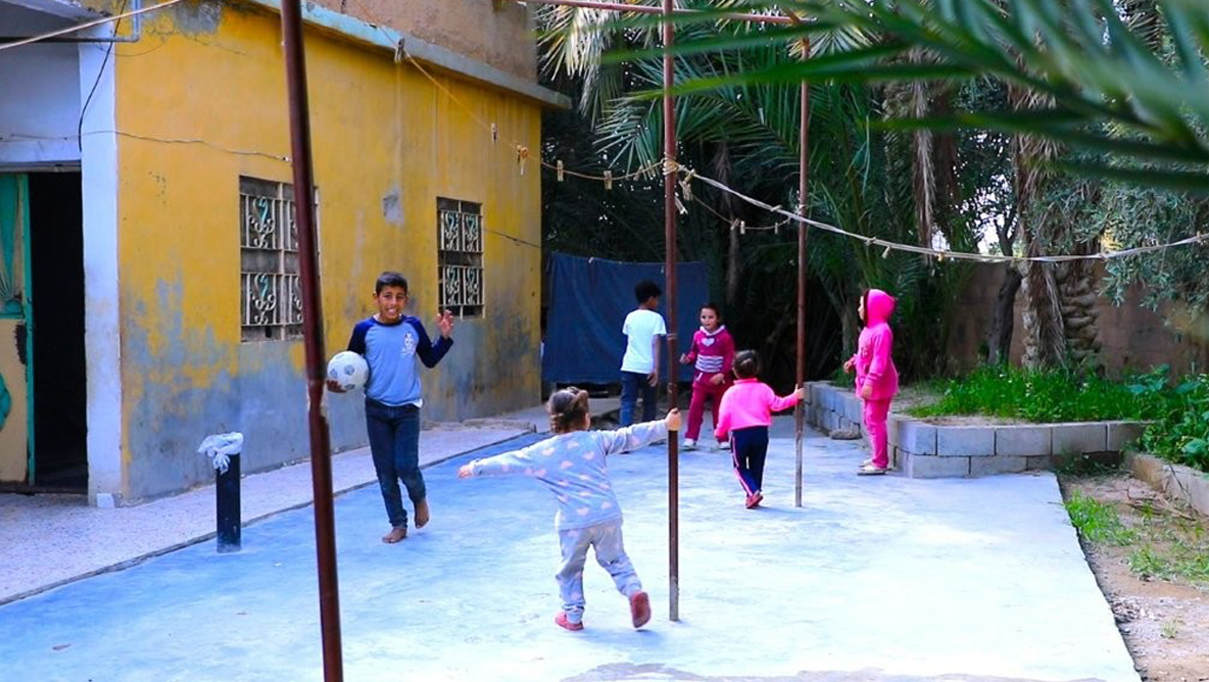
Deir-ez-Zor – Thursday, 14 May 2026 – The Syria Recovery Trust Fund (SRTF) is pleased to announce that 8,400 individuals from 1,400 households have returned to safe and dignified homes following the full rehabilitation of their houses under a recently completed Phase II of the project “Enhancing Sustainable Livelihoods and Housing in Deir-ez-Zor”. The intervention benefitted 30% families from Al-Hol Camp who were able to resettle permanently and rebuild their daily lives in safe and secure environments.
Rehabilitation works included structural repairs, installation of doors and windows, electrical systems, and water connections. Complementing the housing component, the project also strengthened livelihoods at the household level. A total of 6,000 individuals from 1,000 households benefitted from home garden kits and specialised agricultural training, helping improve food production and reduce reliance on external support. In addition, 300 individuals from 50 households received hydroponic kits alongside tailored training, introducing sustainable and water-efficient farming practices that continue to generate both food and income opportunities. Moreover, 51% of the total individuals benefitting from homegarden kits, hydroponic units and shelter rehabilitation comprise of women.
To further support economic recovery, 3,000 individuals, of whom 49% were women, participated in Cash-for-Work activities. These initiatives provided immediate income while contributing to community rehabilitation efforts, enabling families to meet essential needs, ease financial pressures, and gradually regain economic independence.
These achievements mark the successful completion of Phase II of the project, implemented to support conflict-affected populations in rebuilding stable, self-sufficient lives after years of displacement and hardship.
By prioritising returnees from Al-Hol Camp alongside host community members, the project contributed to improved reintegration and social cohesion, while strengthening food security and revitalising local economic activity. The integrated shelter and livelihoods approach has enabled families not only to return home, but to remain there with dignity, stability, and the means to sustain themselves.
Ameen, a beneficiary of the shelter rehabilitation component, shared: “After returning from displacement, we found our house destroyed… there were no windows and no doors. The SRTF helped us repair everything. Now our situation is secure, stable, and safe. Returning home brought psychological comfort for us and our children.”
The SRTF Director General, Eng. Hani Khabbaz, stated: “This project reflects what recovery should look like in practice, helping families return home with dignity, restoring a sense of safety, and providing the means to rebuild their lives. What is particularly meaningful is seeing returnees, especially from Al-Hol Camp, not only resettle but also regain their ability to support themselves and their families. By combining housing rehabilitation with livelihood support and employment opportunities, we are enabling communities to move beyond immediate recovery toward lasting stability, resilience, and self-reliance.”
Implemented with a total budget of approximately EUR 2.59 million, the project directly benefitted around 17,400 people across Deir-ez-Zor Governorate. It has contributed to improved living conditions, strengthened community resilience, enhanced food security, and supported sustainable pathways toward recovery and self-sufficiency.
For more information on this project, please see:
Enhancing Sustainable Livelihoods and Housing in Deir-ez-Zor Governorate – Phase II
For more information on the SRTF visit:
Media outlets may contact:

 Linkedin
  Twitter
 Site Map