

The SRTF Continues Supporting the Health Sector in Deir-ez-Zor
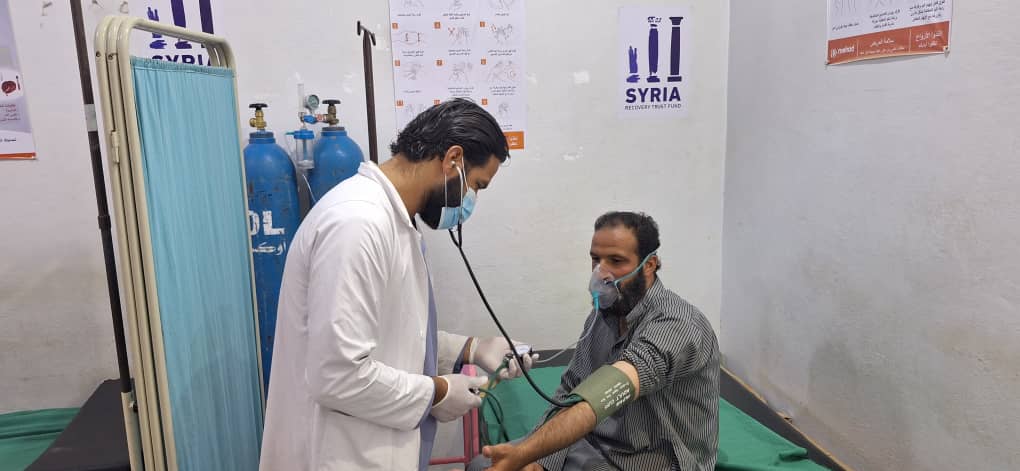
Deir-ez-Zor – Tuesday, 10 November 2026 – As part of its ongoing efforts to strengthen essential services in Deir-ez-Zor Governorate and its continued commitment to supporting the Health sector, the Syria Recovery Trust Fund (SRTF) has maintained its interventions, aimed at ensuring the continuity of healthcare services across the governorate, following the fall of the former regime and the return of Syrian state institutions to North East Syria.
Building on the interventions and projects implemented over the past years in cooperation with non-governmental organisations, the SRTF has embarked on a new phase of work based on direct coordination with the Syrian Ministry of Health and the Deir-ez-Zor Health Directorate. This aims to ensure the continued delivery of essential healthcare services, complete ongoing projects, and strengthen coordinated efforts to support the local health system.
In this context, the SRTF has worked to align its interventions with the requirements of the new phase and the evolving healthcare management arrangements in the governorate. This approach facilitates the gradual transfer of the facilities and projects it previously supported, to the Deir-ez-Zor Health Directorate, as the government authority responsible for delivering and overseeing healthcare services, thereby, contributing to their sustainability and continuity.
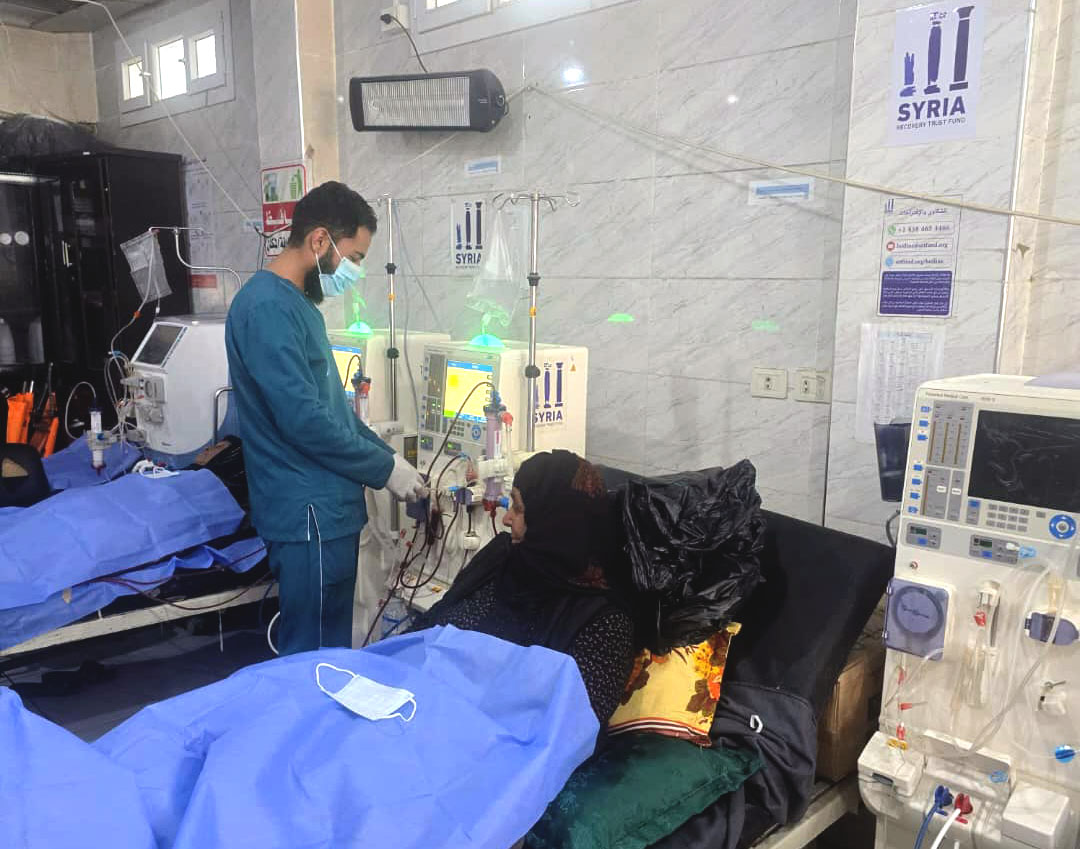 Dialysis Centres in Abu Hamam and Al-Kasrah
The SRTF has completed the fourth phase of its support to the two dialysis centres in Deir-ez-Zor Governorate: Abu Hamam Centre in the eastern countryside and Al-Kasrah Centre in the western countryside.
The project ran from August 2025 until the end of October 2026, during which the two centres jointly provided 7,841 dialysis sessions to 1,065 patients. Services included 4,712 sessions for 614 patients at Abu Hamam Centre and 3,129 sessions for 451 patients at Al-Kasrah Centre. This enabled patients to access life-saving treatment closer to their places of residence, without having to travel long distances.
The handover procedures for both centres from MEHAD to the Deir-ez-Zor Health Directorate are currently being finalised. Support for the centres will continue under the new healthcare project recently approved by the SRTF.
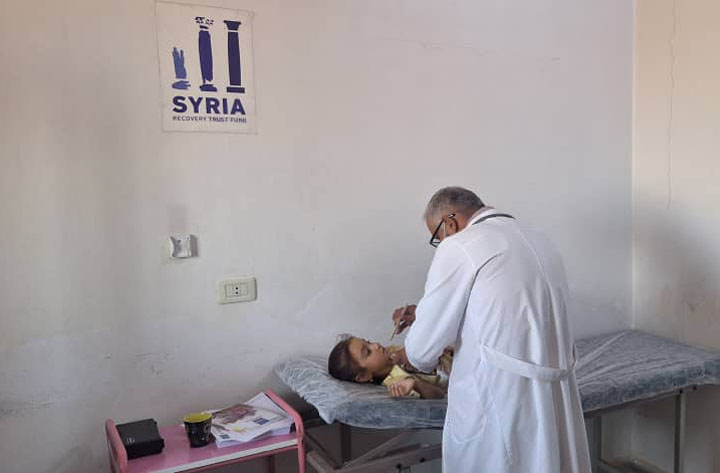 Primary Health Care Centres in Al-Susah and Al-Hreijiyah
The SRTF has also completed Phase V of its support to Al-Susah and Al-Hreijiyah health centres, in addition to the mobile clinic, which continued providing essential healthcare services to populations in areas located far from established health centres.
The project ran from November 2025 until the end of October 2026, contributing to improved access to primary healthcare services and the delivery of medical care to local communities across large areas of the Deir-ez-Zor countryside. Services covered maternal and child health, the prevention and management of communicable diseases, non-communicable disease care, mental health and nutrition services, as well as essential support services such as diagnostic laboratory testing.
In addition, medicines were provided, and 10 kits of medicines for chronic non-communicable diseases were distributed to five primary healthcare centres. The project also included community health awareness sessions and psychosocial support sessions for patients. At least 99,000 patients directly benefited from this project.
The formal transfer of these facilities from MEHAD to the Deir-ez-Zor Health Directorate is currently underway, with support set to continue under the new project.
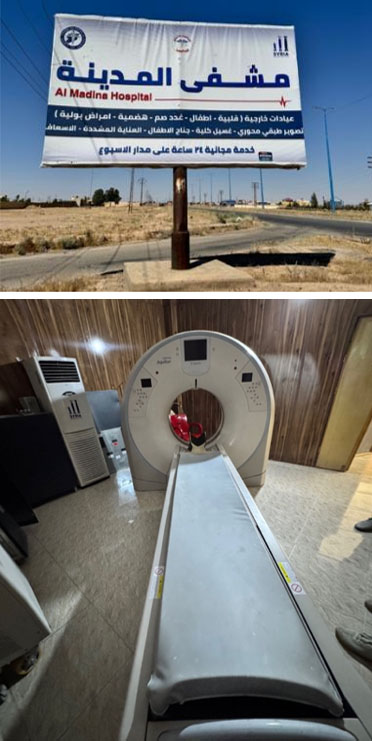 Al-Madina Hospital and the Medical Waste Management Facility
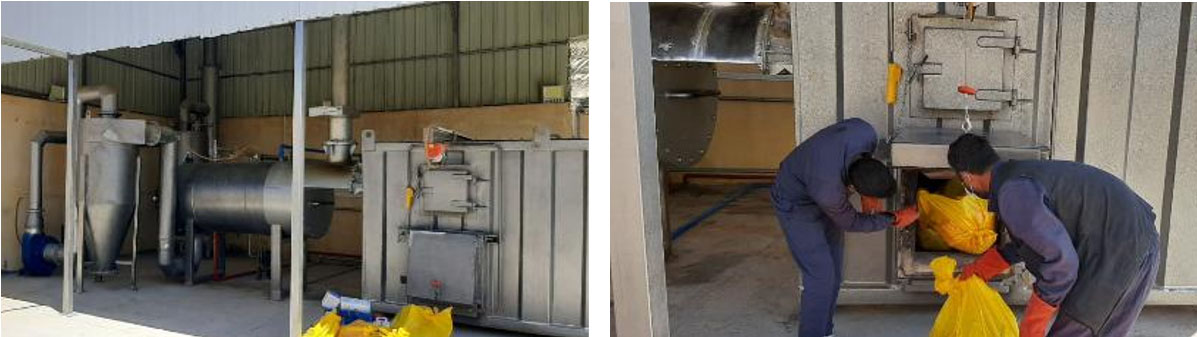
Under the Phase IV of its support to Al-Madina Hospital, located in the Seven Kilometres area, the SRTF, in cooperation with the Syrian American Medical Society (SAMS), established a specialised medical waste treatment facility.
Construction of the facility began in November 2025, and it became operational in April 2026. The facility currently ensures the safe disposal of medical waste collected from 15 healthcare facilities, including hospitals and health centres across the governorate, helping mitigate the health and environmental risks associated with such waste. The ash resulting from the incineration process is collected and stored in a fully sealed, isolated concrete chamber specifically designated for this purpose. On 14 September 2026, Al-Madina Hospital and the medical waste incineration facility were handed over to the Deir-ez-Zor Health Directorate.
In addition to the services mentioned above, the project also included the provision of primary healthcare consultations at one of the health centres, covering medical diagnosis, the dispensing of medicines, and malnutrition screening for children under five years old. Activities also included emergency services, medical referrals, intensive care and inpatient services, including intensive care units, radiology, CT scans, laboratory services and kidney dialysis sessions. Community health awareness sessions were also organised, and 100 healthcare workers from 15 facilities received training, both remotely and in person, in the areas of medical waste management, nutrition, reproductive health, waterborne diseases, and supply chain management.
Services also included mental health screenings, counselling sessions, and referrals to specialised services.
To strengthen the sustainability of healthcare services and improve their management, a sustainable healthcare financing model was piloted through the introduction of a “Family Healthcare Card”. An electronic medical record system was also established to digitise and consolidate health data at the health centre. More than 53,000 people benefitted from these services and interventions.
Emergency Response to Support the Health Sector in Deir-ez-Zor
As part of its emergency response to support the Health sector, the SRTF launched a project in 2026 to rehabilitate five hospitals across the governorate.
The project includes civil, electrical and mechanical works, as well as the installation of suspended ceilings, ceramic and granite flooring, roof waterproofing, and the maintenance of doors, electrical installations and plumbing systems, alongside the installation of air-conditioning systems.
Rehabilitation works at Aisha Hospital in Al-Bukamal and Al-Sha'fah Charity Hospital have reached approximately 80% completion. Works began in mid-September 2026 and are expected to be completed by mid-November 2026.
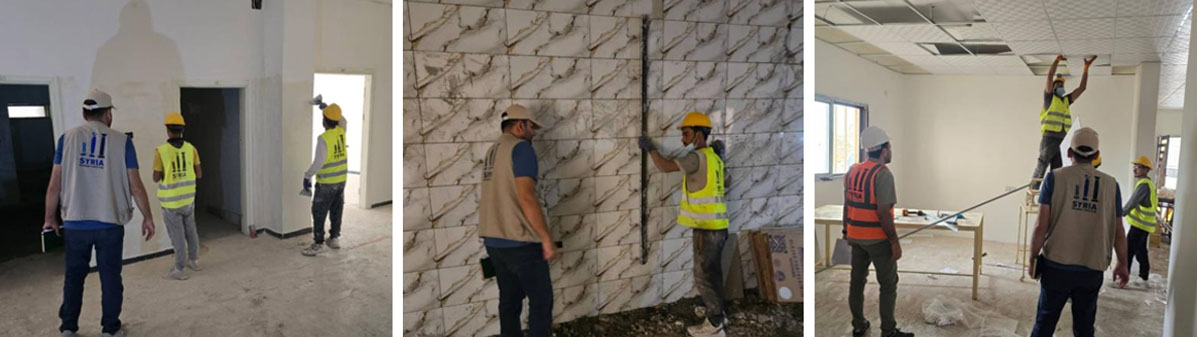
At Al-Mayadeen National Hospital and Jadid Bakkara Hospital, works commenced in October 2026 and have reached approximately 20% completion. These works are expected to be completed by the end of January 2027. Rehabilitation works at Jadid Bakkara Hospital have also been reported at 10% completion following their commencement in October 2026, with completion expected by the end of January 2027. Preparations are also underway to commence rehabilitation works at Al-Basira Hospital in the near future.
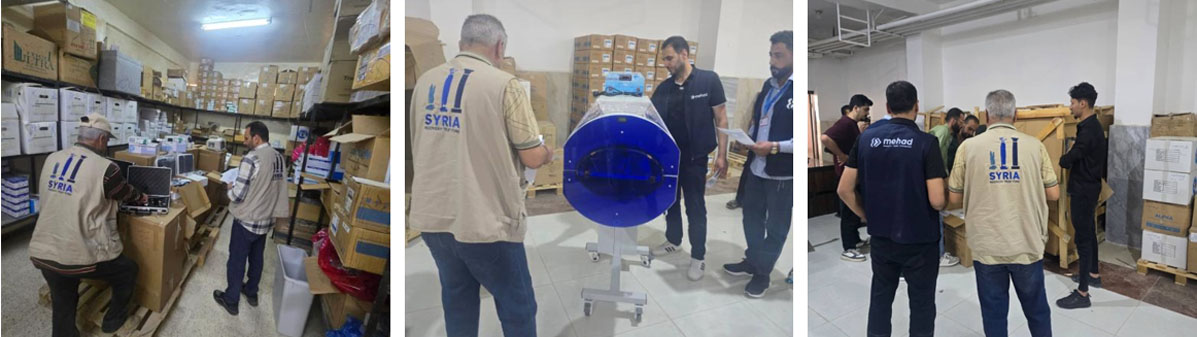
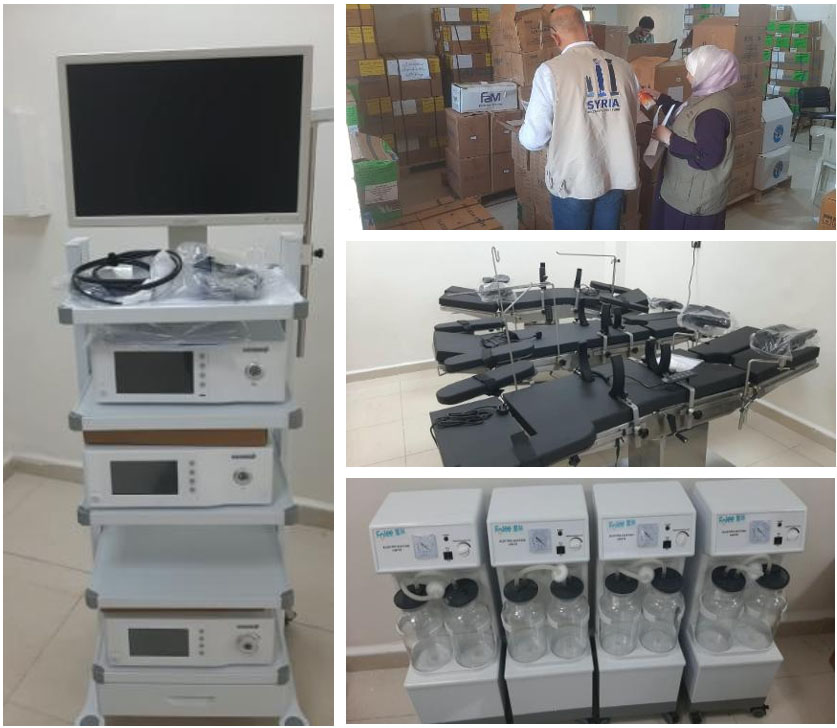
In parallel with the rehabilitation works, and as part of its emergency response, the SRTF is continuing to supply more than 180 specialised medical devices and pieces of equipment to the targeted hospitals and healthcare centres across Deir-ez-Zor Governorate. This represents one of the largest medical equipment support operations undertaken by the SRTF in the governorate.
The equipment being supplied includes: six hollow-bore orthopaedic surgical drill systems, six sterilisable surgical drill systems, five neonatal ventilators five Bubble Continuous Positive Airway Pressure (Bubble CPAP) devices, thirty infusion pumps, thirty syringe pumps, forty neonatal patient monitors, ten defibrillators, four intensive phototherapy devices for newborns, twelve medical suction unitsfour mobile C-arm X-ray imaging systems six anaesthesia machines six mobile digital X-ray machines three fixed X-ray machinesfour cardiac and vascular ultrasound machines six blood gas analysers six fully automated open-system biochemistry analysers.
These supplies are expected to strengthen the capacities of healthcare facilities and improve surgical, anaesthesia, intensive care, medical imaging, laboratory diagnostics and neonatal care services, thereby, enhancing the quality of healthcare provided to patients across Deir-ez-Zor Governorate.
Support to Deir-ez-Zor National Hospital
The SRTF continues to support Deir-ez-Zor National Hospital, for which the project was approved by the SRTF Steering Board in April 2026. Implementation by the implementing entity, Action for Humanity, commenced in June 2026. Works completed to date include:
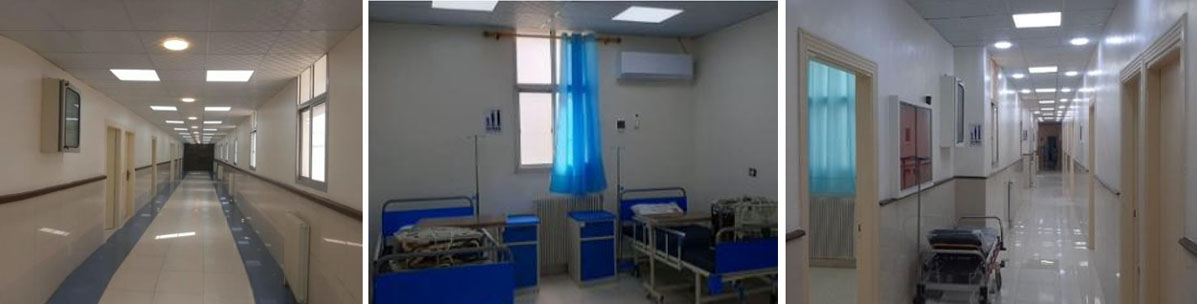
- Rehabilitation and equipping of the Outpatient Department, which was handed over on 22 September 2026.
- Rehabilitation and equipping of the General and Urological Surgery Department, which was handed over on 10 October 2026.
- Assessment of the proposed expansion of the Outpatient Department to increase the hospital's capacity.
A range of specialised medical devices and equipment has also been supplied and installed at the Deir-ez-Zor National Hospital. These include an ophthalmic surgical microscope, a hysteroscopy system, modern operating tables, electrocardiography (ECG) machines, flexible and rigid bronchoscopy systems and patient monitoring screens. These supplies contribute to strengthening the hospital's capacity to provide advanced diagnostic, therapeutic and surgical services, thereby, improving the quality of healthcare provided to patients.
Project activities are continuing steadily, both through the completion of rehabilitation and development works in the targeted departments and the ongoing supply of medical equipment in accordance with the approved plan. Technical follow-up and regular supervision are also being carried out to ensure that all works and deliveries meet the required specifications and timelines, and achieve optimal utilisation.
Continued Support for Healthcare Services in Deir-ez-Zor
As part of its efforts to support the institutional transition and strengthen the role of the relevant government authorities in managing the Health sector, the SRTF recently approved a new project to support the Deir-ez-Zor Health Directorate and ensure the continuity of essential healthcare services during the current transitional phase.
The project targets Hajin Hospital, Al-Madina Hospital, the primary health care centres in Al-Susah and Al-Hreijiyah, and the dialysis centres in Abu Hamam and Al-Kasrah, and aims to prevent disruptions to healthcare services until sustainable government funding can be secured.
Project activities include providing financial incentives to healthcare personnel, supplying medicines and medical consumables, delivering the necessary medical equipment and supplies, carrying out minor rehabilitation works at healthcare facilities, and covering operational costs.
The project will also help ensure the continued provision of emergency services, outpatient consultations, maternity care, paediatric services, primary healthcare and dialysis. Preparatory procedures for the launch of the project's activities are currently underway.
 Linkedin
 Twitter
 Site Map